
Overview of Tendon Gliding Exercises
PDF guides detail tendon gliding routines for fingers and thumbs‚ highlighting gentle flexion‑extension‚ pulley‑release‚ and self‑massage to ease trigger‑finger pain․ They outline hand positioning‚ progression‚ and safety cues for home practice․ Includes printable worksheets for visual guidance․ PDF
Definition and Purpose of Tendon Gliding
Tendon gliding exercises are a set of controlled‚ low‑impact movements that encourage tendons to move smoothly within their synovial sheaths․ The primary goal is to reduce friction‚ maintain tendon health‚ and restore normal biomechanics of the hand and wrist․ By performing these exercises‚ patients can alleviate pain‚ improve range of motion‚ and prevent the progression of conditions such as trigger finger‚ trigger thumb‚ and Dupuytren’s contracture․
In a typical PDF guide‚ the exercises are illustrated step‑by‑step with clear diagrams‚ recommended repetitions‚ and progression cues․ The instructions emphasize proper hand positioning‚ gentle tension‚ and the avoidance of forceful pulls that could aggravate inflammation․ Many PDFs also include a section on self‑massage techniques and stretches that complement the gliding routine‚ providing a comprehensive home‑based program․
The purpose of tendon gliding is not only symptomatic relief but also functional restoration․ By re‑educating the tendon‑sheath interface‚ patients regain the ability to perform daily tasks—grasping‚ pinching‚ and fine manipulation—without discomfort․ The PDF format allows clinicians to distribute standardized protocols‚ track patient adherence‚ and adjust the program based on progress notes․ Overall‚ tendon gliding exercises serve as a cornerstone of hand rehabilitation‚ offering a non‑invasive‚ accessible approach to preserving tendon integrity and improving quality of life․ Patients can record daily progress in the PDF log now․!!!
Historical Development and Acceptance in Physical Therapy
Early 20th‑century clinicians observed that repetitive flexion and extension of the fingers could lead to tendon adhesions‚ prompting the first rudimentary gliding protocols․ By the 1970s‚ research published in the Journal of Hand Therapy described controlled tendon‑gliding exercises as a preventative strategy for trigger finger‚ highlighting their role in reducing tendon friction․ The 1980s saw the introduction of standardized hand‑therapy manuals that incorporated tendon‑gliding routines‚ and evidence from randomized trials in the 1990s confirmed significant improvements in grip strength and pain scores compared to passive stretching alone․ In the early 2000s‚ digital technology enabled the creation of downloadable PDF guides‚ allowing therapists to distribute uniform protocols worldwide․ The adoption of these PDFs accelerated during the 2010s‚ as tele‑rehabilitation platforms integrated tendon‑gliding modules for remote patient education․ Current consensus statements from the American Physical Therapy Association endorse tendon‑gliding exercises as first‑line conservative treatment for hand tendon disorders‚ and many university curricula now include comprehensive modules on tendon‑gliding technique․ The evolution from anecdotal practice to evidence‑based‚ PDF‑based instruction exemplifies the field’s commitment to accessible‚ standardized care for tendon health․ These PDFs also include videos comprehensive and progress trackers to enhance patient and ensure adherence to the prescribed routine
Anatomy and Physiology of Tendons and Sheaths
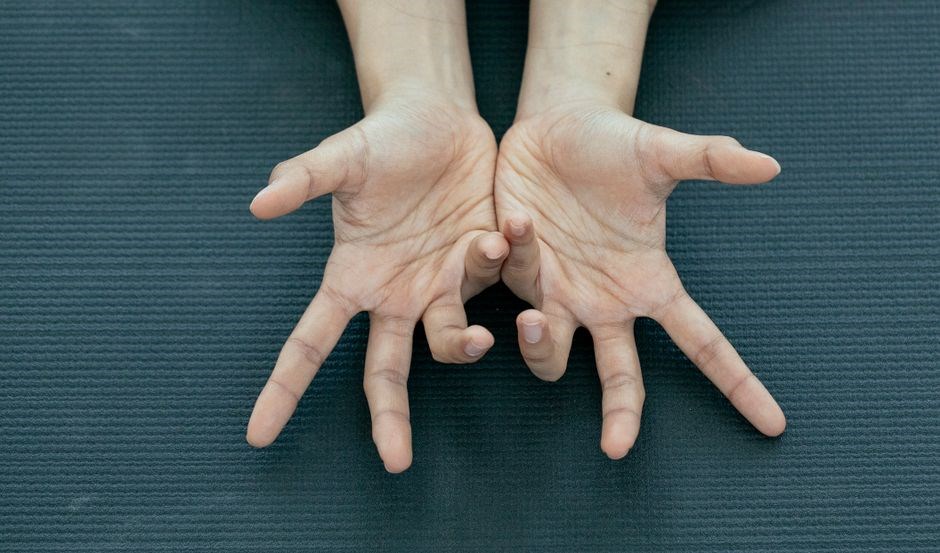
Tendon gliding PDFs explain that tendons run within synovial sheaths‚ lubricated by fluid that reduces friction․ The sheath’s collagen fibers align with tendon direction‚ allowing smooth glide during flexion and extension․ Understanding this anatomy guides effective exercise design for pain relief․ Today!!

Tendon Structure and Sheath Composition
PDF handbooks describe the tendon as a dense‚ fibrous connective tissue composed of parallel collagen bundles that provide tensile strength․ The surrounding synovial sheath is a thin‚ lubricated membrane that reduces friction during motion․ Collagen type I dominates‚ while type III offers elasticity․ The sheath’s inner lining secretes synovial fluid‚ which is rich in hyaluronic acid and lubricin‚ essential for smooth gliding․ Tendon‑sheath interactions are critical: the sheath’s elasticity allows the tendon to slide without kinking‚ while the tendon’s cross‑linking proteins maintain shape․ In trigger finger‚ inflammation thickens the sheath‚ narrowing the pulley system and impeding glide․ PDFs emphasize that gentle‚ progressive gliding exercises restore shear forces‚ improve synovial fluid distribution‚ and reduce adhesions․ They recommend starting with passive stretches‚ then moving to active flexion‑extension‚ always monitoring for pain․ Proper hand positioning—neutral wrist‚ relaxed forearm—maximizes sheath lubrication․ The PDF also notes that age‚ diabetes‚ and repetitive strain alter collagen turnover‚ making tailored exercise plans․ Understanding the micro‑anatomy‚ therapists can prescribe exercises that target specific pulley points‚ enhance tendon elasticity‚ and ultimately restore functional mobility․ The guide includes diagrams of the flexor tendon sheath‚ pulley anatomy‚ step‑by‑step gliding sequences‚ making it a valuable resource for clinicians patients alike!!!
Range of Motion and Gliding Mechanics
PDF resources explain that range of motion (ROM) in tendon gliding exercises is measured in degrees of flexion and extension at the metacarpophalangeal‚ proximal and distal interphalangeal joints․ The gliding mechanics rely on the tendon’s ability to slide within its synovial sheath while maintaining tension․ A typical exercise sequence begins with a neutral wrist position‚ the thumb or finger fully extended‚ then a slow flexion to 90° followed by a gentle extension back to neutral․ The PDF emphasizes that each movement should be performed within pain‑free limits‚ typically 80–90% of the patient’s maximum ROM‚ to avoid re‑inflammation․ The mechanics involve a sliding force generated by the hand’s intrinsic muscles and the lubricating synovial fluid․ The PDF illustrates that the tendon’s cross‑sectional area changes during flexion‚ increasing friction if the sheath is thickened․ By performing repeated‚ controlled glides‚ the synovial fluid is redistributed‚ reducing adhesions and restoring smooth motion․ The guide also notes that wrist pronation and supination can affect tendon path‚ so exercises incorporate slight forearm rotation to align the tendon with the pulley system․ Progression is monitored by measuring ROM in degrees and noting the reduction in crepitus or clicking․ The PDF recommends using a goniometer or digital app for precise tracking‚ and suggests that after 4–6 weeks‚ patients often regain 15–20° of additional flexion and extension‚ indicating improved gliding mechanics․ This systematic approach ensures that tendon gliding exercises are both safe and effective for restoring hand function․
In addition‚ the PDF discusses the role of the extensor hood and the lumbrical muscles in modulating tendon excursion․ It explains that strengthening these intrinsic muscles can enhance the passive glide by creating a more stable tendon‑sheath interface․ The guide includes a table listing specific ROM targets for each finger: index‚ middle‚ ring‚ little‚ and thumb‚ with baseline and post‑therapy goals․ It also provides a visual diagram showing the tendon path over the pulley A1‚ A2‚ and A3‚ highlighting common sites of impingement․ The PDF advises clinicians to assess the patient’s grip strength before and after the exercise protocol‚ as improved ROM often correlates with increased pinch and grasp force․ Finally‚ it stresses the importance of patient education: explaining that tendon gliding is a low‑impact activity that can be performed daily‚ and that consistency is key to achieving lasting ROM gains and reducing recurrence of trigger symptoms․
For advanced patients‚ the PDF introduces a “dynamic glide” technique‚ where the patient actively flexes and extends while simultaneously rotating the wrist‚ thereby challenging the tendon’s ability to maintain a smooth trajectory․ This variation increases the shear forces and promotes synovial fluid circulation․ The PDF also warns against over‑extension‚ which can stretch the sheath and lead to micro‑tears․ It recommends a gradual increase of ROM by 5° increments every two weeks‚ ensuring that the tendon’s collagen fibers adapt without excessive strain․ By integrating these principles‚ the PDF provides a comprehensive framework that links anatomical understanding with practical exercise prescription‚ enabling therapists to tailor programs that maximize tendon glide and restore functional hand movement․

Common Conditions Requiring Tendon Gliding
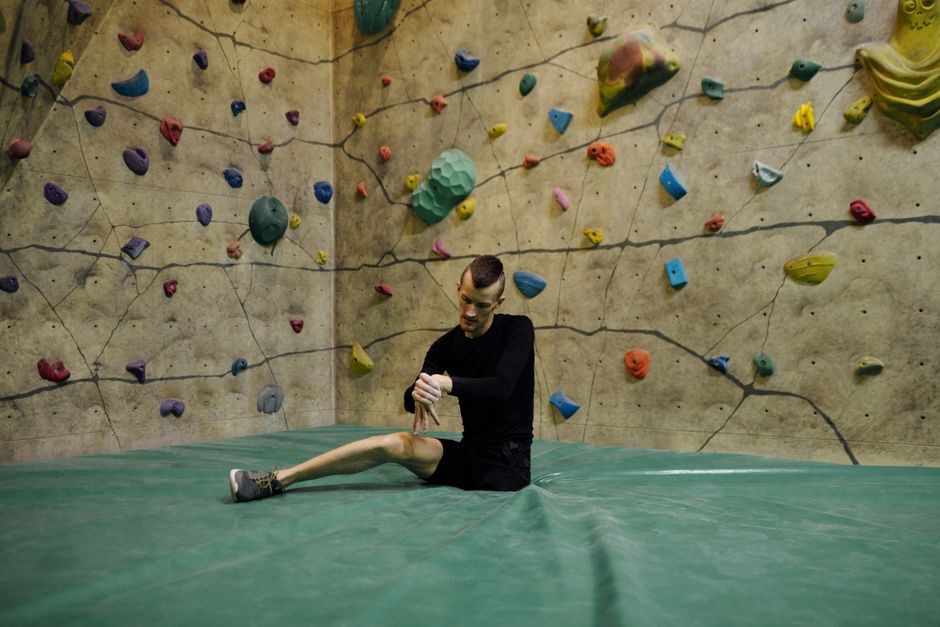
PDF guides list trigger finger‚ trigger thumb‚ Dupuytren’s contracture‚ and other hand stiffness as conditions benefiting from tendon gliding․ They detail gentle stretches‚ pulley release‚ and self‑massage to improve ROM and reduce pain․ Useful for home or clinic‚ PDFs include diagrams and charts
Trigger Finger and Trigger Thumb
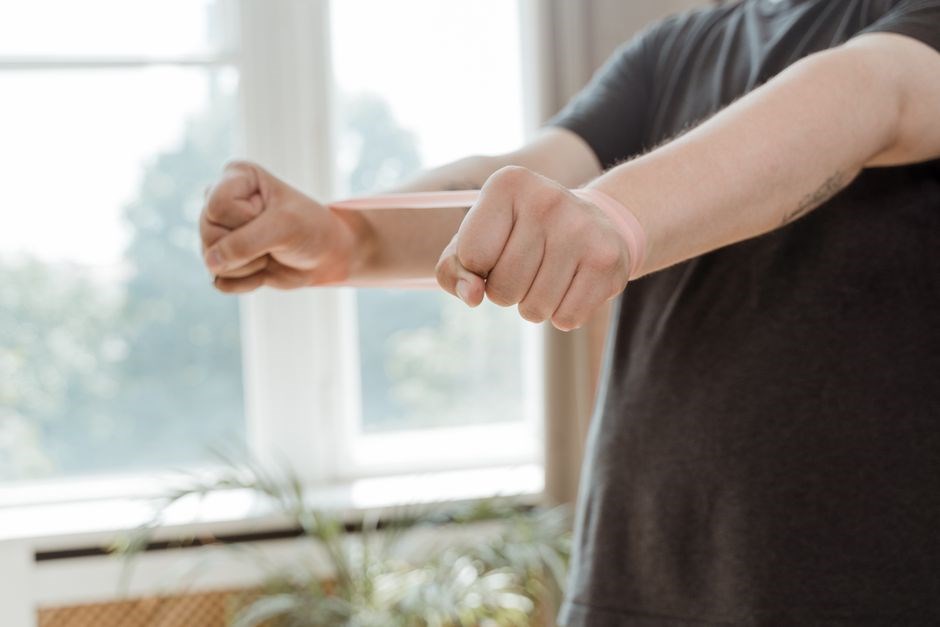
PDF hand‑care manuals focus on trigger finger and thumb‚ explaining how inflamed flexor tendons lock within fibrous sheaths․ They describe a sequence of gentle flexion‑extension‚ pulley‑release‚ and self‑massage to restore smooth gliding․ Each exercise is illustrated with step‑by‑step photos‚ and printable worksheets allow patients to track pain scores‚ range of motion‚ and frequency of “catch” episodes․ The guides recommend starting with low‑intensity stretches‚ gradually increasing duration and resistance as the tendon sheath softens․ Safety cues warn against over‑stretching‚ sudden force‚ or using heat before the tendon is ready․ For trigger thumb‚ the PDF emphasizes thumb‑adduction and abduction drills‚ combined with wrist‑extension stretches to relieve pressure on the A1 pulley․ Users can log daily progress‚ and the PDF includes a FAQ section addressing common concerns such as when to seek a clinician‚ how to modify exercises for arthritis‚ and the role of splinting․ All instructions are written in plain language‚ with a focus on self‑management and early intervention‚ making the PDF a practical tool for patients and therapists alike․
The PDF also includes a brief section on nutrition‚ noting that adequate protein and vitamin C support tendon repair․ It recommends gentle warm‑up stretches before starting the gliding routine‚ such as wrist circles and finger abduction․ For patients who experience pain during the first week‚ the guide advises a short pause and the use of a cold pack․ Once pain subsides‚ patients can resume the exercises‚ gradually increasing hold times from 5 to 15 seconds․ The PDF encourages weekly reassessment and adjustment of the program based on progress!
Dupuytren’s Contracture and Other Hand Conditions
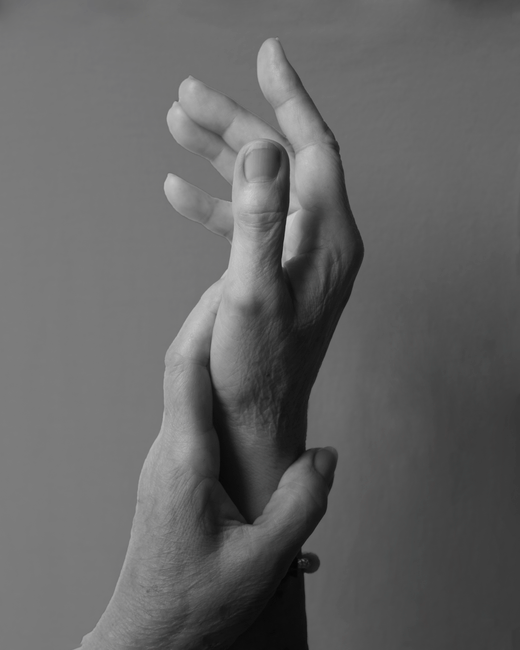
PDF exercise compendiums address Dupuytren’s contracture by offering graded finger‑extension drills that target the palmar fascia while preserving tendon gliding․ They recommend starting with gentle passive stretch‚ progressing to active resistance using a rubber band‚ and incorporating pulley‑release motions to reduce trigger points․ The guides include a visual flowchart that maps each exercise to specific stages of fascia thickening‚ ensuring that patients do not over‑stretch during early fibrosis․ For other hand ailments such as carpal tunnel syndrome‚ trigger‑thumb‚ or post‑surgical stiffness‚ the PDFs provide a unified protocol that blends tendon gliding with nerve‑gliding exercises‚ wrist‑extension stretches‚ and finger‑abduction drills․ Each routine is accompanied by a printable log sheet where users record pain level‚ ROM‚ and frequency of “catch” episodes․ The documents emphasize the importance of consistent daily practice‚ gradual progression‚ and the use of a cold pack if inflammation spikes․ They also advise patients to pause the routine if pain exceeds a set threshold and to consult a clinician for advanced interventions․ The PDF format allows easy sharing with therapists‚ enabling real‑time adjustments based on progress reports․ By integrating these exercises into a structured program‚ patients can maintain tendon mobility‚ reduce contracture progression‚ and improve overall hand function․ Patients are encouraged to download the PDF guide‚ print the worksheets‚ and share progress with their therapist․ Enjoy!
Step-by-Step Exercise Series (Finger Extension‚ Flexion‚ etc․)
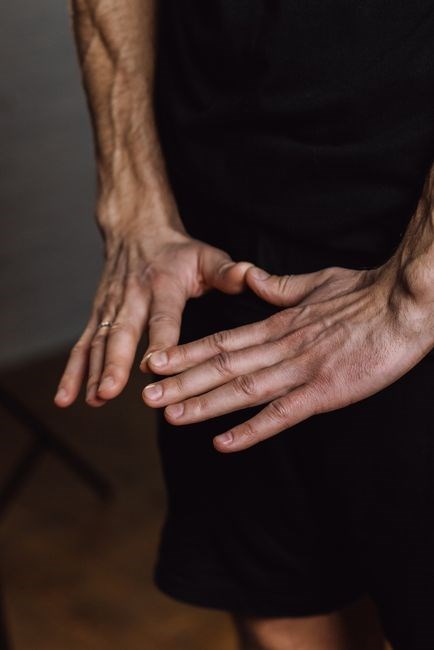
PDF resources present a structured sequence of tendon gliding movements that target the flexor and extensor apparatus of the hand․ The protocol begins with the “fist‑to‑open” motion: start with a relaxed fist‚ then slowly extend the fingers to a full spread while maintaining a neutral wrist position․ Follow with the “thumb‑to‑palm” glide‚ where the thumb is moved from a neutral position to a full flexion against the palm‚ allowing the tendon to slide through the A1 pulley․ Next‚ perform the “index‑to‑middle” glide‚ moving the index finger across the middle finger in a controlled manner‚ which encourages gliding through the A2 pulley․ For each movement‚ the PDF recommends holding the end position for 5 seconds‚ repeating 10 times‚ and performing the set twice daily․ This reverse motion helps to relieve tension on the flexor tendons․ Additionally‚ the PDF outlines a “palm‑to‑thumb” stretch: place the hand flat on a table‚ gently press the thumb away from the palm‚ and hold for 10 seconds‚ repeating 5 times․ All exercises are accompanied by visual diagrams in the PDF‚ showing the correct hand posture‚ wrist alignment‚ and tendon path․ The protocol stresses the importance of breathing‚ smooth motion‚ and avoiding pain․ Patients are advised to track progress in the accompanying printable log‚ noting pain scores‚ range of motion‚ and any “catch” episodes․ The PDF format allows easy sharing with therapists for real‑time adjustments․ By following this step‑by‑step series‚ individuals can improve tendon glide‚ reduce trigger‑finger symptoms‚ and regain functional hand strength․ Remember to keep the wrist neutral and avoid jerky motions during each glide for better control!!
Progression and Modification Guidelines
PDF guides recommend a graded progression that respects individual tolerance and pathology severity; Begin with the basic glide set described earlier‚ performing 10 repetitions per finger‚ twice daily․ Once pain < 2/10 and range improves‚ add a 5‑second hold at the end of each glide and increase repetitions to 15․ For patients with mild trigger finger‚ introduce the “thumb‑to‑palm” glide with a 3‑second pause between flexion and extension․ If stiffness persists‚ incorporate a gentle “palm‑to‑thumb” stretch: hold 10 seconds‚ repeat 5 times‚ twice daily․ Modifications for advanced users include adding a light resistance band around the fingers to increase load‚ or performing the series while seated to reduce wrist strain․ For patients with pain or swelling‚ reduce frequency to once daily and limit hold time to 3 seconds․ The PDF also suggests a “warm‑up” routine: 5 minutes of wrist circles‚ followed by gentle finger abduction‚ before starting the glide series․ All modifications should be recorded in the printable log‚ noting pain scores‚ ROM‚ and any catch episodes․ The PDF emphasizes that progression should be guided by pain‚ functional gains‚ and therapist input․ Gradual increases in hold time‚ repetitions‚ and resistance help prevent overuse injuries while maximizing tendon glide and hand function․ Always consult a clinician before changing the protocol․ Clinicians may tailor the protocol to individual recovery milestones‚ ensuring safe progression outcomes daily․
Resources‚ PDFs‚ and Professional Guidance
Download free PDF guides for tendon gliding‚ featuring step‑by‑step visuals‚ progression charts‚ and safety tips․ Certified PTs recommend these resources for home rehab‚ ensuring proper technique and monitoring progress․ Printable worksheets aid tracking and adherence․ Download PDF․ (free) ✔️✓ 2026!
PDF Guides and Printable Workouts
Free downloadable PDFs provide comprehensive tendon gliding routines tailored for fingers‚ thumbs‚ and wrist․ Each guide includes step‑by‑step illustrations‚ recommended repetitions‚ and progression milestones․ Printable worksheets track daily compliance‚ allowing patients to log pain levels‚ range of motion‚ and adherence to the prescribed program․ Certified physical therapists endorse these resources‚ noting that clear visual instructions reduce the risk of improper technique and accelerate recovery․ The PDFs also contain safety warnings for contraindications such as acute inflammation or recent surgery‚ and suggest modifications for limited mobility․ Users can print the sheets‚ color code the exercises‚ and attach them to a wrist‑band for easy reference during home sessions․ Additionally‚ the guides link to video demonstrations hosted on reputable physiotherapy platforms‚ ensuring that patients can verify form before performing the movements․ By combining printable charts with online tutorials‚ patients gain a self‑guided‚ evidence‑based approach to tendon gliding that supports consistent practice and measurable progress․ Patients can customize the printable sheets by adding their own notes‚ color‑coding progress‚ or printing additional copies for family members to assist with daily reminders․ and share daily!!
- PDF: “Tendon Gliding Basics” – 20 pages‚ step‑by‑step images․
- PDF: “Advanced Gliding for Trigger Finger” – 15 pages‚ progression charts․
- PDF: “Home Exercise Log” – printable worksheet for pain and ROM tracking․
- PDF: “Safety & Contraindications” – guidelines for acute cases․
- PDF: “Video Link Directory” – QR codes to online tutorials․
Professional Certification and Training Resources
Certified hand therapists and orthopaedic specialists now offer structured tendon‑gliding curricula that integrate PDF handouts‚ interactive modules‚ and competency assessments․ Accredited bodies such as the American Society of Hand Therapists (ASHT) and the International Federation of Orthopaedic Manipulative Physical Therapists (IFOMPT) provide official certification tracks that require completion of a 12‑hour online course‚ mastery of the PDF exercise library‚ and a practical exam․ The ASHT’s “Tendon Gliding Proficiency” module includes a 45‑minute video lecture‚ a downloadable PDF workbook‚ and a 20‑question quiz․ Upon successful completion‚ practitioners receive a digital badge and a signed certificate of competency․ IFOMPT’s “Advanced Tendon Gliding” program extends the curriculum to 20 hours‚ incorporating case studies‚ peer‑reviewed assignments‚ and a final written exam․ Both programs emphasize evidence‑based practice‚ referencing the latest systematic reviews on tendon‑gliding efficacy․ In addition‚ several universities offer graduate‑level modules that accept the ASHT certification as credit toward a Master’s in Hand Therapy․ Continuing education credits (CEUs) are available through webinars hosted by the International Hand Therapy Association (IHTA)‚ which provide updated PDF resources and live Q&A sessions with leading researchers․ These resources ensure that clinicians remain current with evolving techniques and maintain high standards of patient care․ Clinicians are encouraged to attend annual workshops that focus on the latest biomechanical insights‚ allowing them to refine their technique and adapt the PDF protocols to individual patient needs․ The curriculum also covers advanced imaging interpretation‚ enabling precise identification of tendon pathology․ Additionally‚ peer‑reviewed case conferences foster collaborative learning‚ ensuring that practitioners stay abreast of emerging evidence and maintain a high level of clinical excellence!