
Weight Watchers Diet Plan: A Comprehensive Guide (Updated 05/04/2026)
Today, on 05/04/2026, embracing a personalized points system—ranging from 23 to 29 daily—and prioritizing mindful tracking empowers sustainable weight management, fostering both satisfaction and success․
Understanding the Weight Watchers Program
Weight Watchers (WW) isn’t a restrictive diet, but a flexible, points-based system designed to foster healthy habits and sustainable weight loss․ The core philosophy centers around making mindful food choices, understanding portion sizes, and incorporating activity into daily life; Unlike rigid diets, WW acknowledges individual needs and preferences, allowing for a personalized approach․
The program emphasizes tracking food intake, not to induce guilt, but to build awareness of nutritional content and portion control; Members receive a daily points budget, calculated based on factors like weight, height, age, sex, and activity level․ This budget allows for enjoying favorite foods in moderation, while prioritizing nutrient-dense options․ WW also encourages a supportive community, offering resources and connections to help members stay motivated and accountable․ It’s about progress, not perfection, and building a healthier relationship with food․
The Points System: Core Principles
The Weight Watchers Points system is the engine driving behavior change․ Every food and beverage is assigned a Points value based on its nutritional information – calories, saturated fat, sugar, and protein․ Foods lower in calories, saturated fat, and sugar, yet high in protein, generally have fewer points․ This encourages prioritizing nutrient-rich choices․

ZeroPoint foods, like many fruits, vegetables, and lean proteins, don’t need to be tracked, promoting abundant consumption of these healthy staples․ The system isn’t about deprivation; it’s about making informed choices within a personalized budget․ Points allow flexibility – enjoying treats in moderation without derailing progress․ Understanding this core principle is vital for long-term success, fostering a balanced and sustainable approach to eating․
Calculating Your Daily and Weekly Points
Your daily Points budget isn’t static; it’s personalized based on factors like weight, height, age, sex, and activity level․ Weight Watchers utilizes an online assessment or app to determine this initial allocation, which can range from 23 to 29 points, as demonstrated by individual experiences․ Beyond the daily allowance, members receive weekly Points․
These “weeklies” act as a buffer for indulgences or higher-point meals, offering flexibility․ Rollover Points – unused daily points – can also contribute to the weekly total․ Strategically utilizing activity points, earned through exercise, further expands the budget․ The system encourages mindful planning, allowing for both healthy consistency and occasional treats, all within a framework designed for sustainable weight management․
Food Tracking and the WW App
Central to the Weight Watchers program is diligent food tracking, seamlessly facilitated by the WW app․ Members meticulously log their food intake, focusing on pointed foods – those assigned a Points value․ The app boasts an extensive food database, simplifying the process, and allows for barcode scanning for quick entry․
Accuracy is key; weighing and measuring portions is highly recommended․ While zero-point foods don’t require tracking, awareness of portion sizes remains important․ The app also tracks activity points and weekly allowances․ It provides a clear overview of daily consumption, encouraging mindful choices and accountability․ Regular tracking fosters a deeper understanding of eating habits and supports informed decision-making for lasting success․

Sample Weight Watchers Meal Plans
Delicious, satisfying meals—like egg scrambles, quinoa skillets, and chicken with roasted potatoes—demonstrate how to enjoy flavorful food while staying within personalized daily points allowances․
Breakfast Options (0-4 Points)
Starting your day with a Weight Watchers-friendly breakfast sets a positive tone․ Options can range from zero to four points, offering flexibility and delicious choices․ Consider an egg scramble featuring 2-3 eggs, spinach, mushrooms, and a touch of Laughing Cow lite cheese – a satisfying 3-point start․
Alternatively, embrace oatmeal and fruit combinations for a fiber-rich and filling breakfast․ A 3/4 cup serving of cooked steel-cut oats paired with 1/2 cup of blueberries provides sustained energy for just 3 points․ Don’t forget your coffee! Enjoy 2 cups brewed with 1 cup of unsweetened oat milk for a guilt-free boost․
Hard-boiled eggs are also a fantastic, protein-packed option․ These breakfasts prioritize whole foods and keep you feeling full and energized until lunchtime, supporting your weight loss journey․
Egg-Based Breakfasts
Egg-based breakfasts are a cornerstone of a successful Weight Watchers plan, offering high protein and versatility within a low-point budget․ A simple egg scramble, utilizing 2-3 eggs, is incredibly satisfying and customizable․ Enhance the flavor and nutritional value by incorporating vegetables like spinach and mushrooms – these contribute zero points!
Adding a small amount of Laughing Cow lite cheese (2 wedges) provides creaminess without significantly impacting your daily points allowance․ For a complete meal, pair your egg scramble with a beverage like brewed coffee and unsweetened oat milk․
Hard-boiled eggs are another excellent choice, perfect for meal prepping and a quick, protein-packed start to the day․ These options keep you feeling fuller for longer, reducing mid-morning cravings․
Oatmeal & Fruit Combinations
Oatmeal and fruit pairings represent a fantastic, fiber-rich breakfast option within the Weight Watchers framework․ Opting for steel-cut oats (¾ cup cooked) provides a slow-releasing carbohydrate, keeping you satiated and energized․ Enhance the flavor and nutritional profile by incorporating ½ cup of blueberries – a naturally sweet and antioxidant-rich addition․
This combination typically falls within a 3-point range, making it a budget-friendly choice․ For added protein, complement your oatmeal and berries with 2 hard-boiled eggs, further boosting satiety․ Remember to prioritize whole, unprocessed ingredients for optimal results․
Fruit choices are key; bananas and apples (each 3 points) can be enjoyed as snacks or incorporated into your oatmeal for a sweeter treat, mindful of your daily point allowance․
Lunch Ideas (3-6 Points)
Crafting satisfying lunches within the 3-6 point range is achievable with strategic choices․ Consider wrap-based options utilizing Ole extreme wellness wraps (2 wraps = 3 points), filled with lean protein like Tyson grilled chicken strips (0 points) and fresh salsa (0 points)․ Adding 38 grams of avocado (2 points) provides healthy fats for sustained energy․
Alternatively, explore quinoa and vegetable skillets, combining cooked quinoa with nutrient-dense vegetables like swiss chard, tomatoes, white beans, and leeks (approximately 4 points)․ These options emphasize whole foods and minimize processed ingredients․
Remember to meticulously track all components using the WW app to ensure accurate point calculations․ Prioritize volume with vegetables to maximize fullness without exceeding your daily allowance․
Wrap-Based Lunches
Wrap-based lunches offer a convenient and versatile option for Weight Watchers followers aiming for a 3-6 point meal․ Utilizing low-point wraps, such as Ole extreme wellness wraps (3 points for two wraps), forms the foundation of these meals․ These wraps provide a satisfying alternative to bread while keeping points low․
Fillings should prioritize lean protein sources like grilled chicken strips (0 points) to promote satiety․ Incorporate plenty of zero-point vegetables, such as spinach, lettuce, or tomatoes, to add volume and nutrients․ Salsa (0 points) provides flavor without adding to the point total․
A small portion of avocado (2 points for 38 grams) can be included for healthy fats, but mindful portion control is key․ Remember to track all ingredients accurately within the WW app․
Quinoa & Vegetable Skillets
Quinoa and vegetable skillets represent a nutritious and filling lunch option, typically falling within the 3-6 point range on the Weight Watchers plan․ Cooked quinoa serves as a wholesome base, providing fiber and protein․ Combining it with a variety of non-starchy vegetables like swiss chard, tomatoes, leeks, and white beans maximizes nutrient intake while minimizing points․
The key to a successful Weight Watchers skillet is focusing on whole, unprocessed ingredients․ Seasoning with herbs and spices instead of high-calorie sauces keeps the point value low․ A single serving, approximately one cup, should be carefully measured and tracked within the WW app to ensure accurate point calculation․
This meal is easily customizable based on personal preferences and available vegetables․
Dinner Recipes (8-12 Points)
Dinner on Weight Watchers, typically ranging from 8-12 points, allows for more substantial portions while still adhering to the program’s principles․ Lean protein sources, like grilled boneless, skinless chicken thighs (around 5 points for 5oz), are excellent choices․ Marinating in low-point options like Soyaki adds flavor without significantly increasing the point total․
Pairing protein with ample non-starchy vegetables, such as grilled asparagus (0 points) and roasted mini potatoes (3 points with avocado oil), creates a balanced and satisfying meal․ A tossed green salad with a light vinaigrette, like Kens Light Balsamic (2 points for 2 tablespoons), further enhances the nutritional value․
Remember to accurately track all ingredients and portion sizes within the WW app for precise point calculation․

Chicken & Vegetable Dishes
Chicken and vegetable combinations are cornerstones of a successful Weight Watchers dinner plan, offering lean protein and filling fiber․ Grilled or baked chicken breast, a zero-point protein for many, pairs beautifully with a variety of vegetables․ Consider a Chicken Broccoli Pasta Alfredo, utilizing whole wheat pasta (1 cup) and a lightened Alfredo sauce made with Laughing Cow cheese and broth – totaling around 8 points․
Alternatively, a simple 5oz portion of grilled chicken thighs marinated in Soyaki (6 points total) alongside grilled asparagus (0 points) provides a flavorful and satisfying meal․ Don’t hesitate to experiment with different vegetable pairings like spinach, mushrooms, or tomatoes to keep your meals interesting and nutritious․
Accurate tracking within the WW app is crucial for point calculation․
Pasta Alternatives & Light Sauces

Enjoying pasta doesn’t have to derail your Weight Watchers journey! Utilizing pasta alternatives and lightened sauces is key․ Whole wheat pasta, like the 1 cup used in a Chicken Broccoli Pasta Alfredo, offers more fiber than traditional varieties․ However, portion control remains vital․
Focus on creating light sauces․ Instead of heavy cream-based options, explore sauces built on broth, Laughing Cow cheese, and a touch of Parmesan․ Kens Light Balsamic dressing (2 tablespoons) is a flavorful addition to salads accompanying pasta dishes․ Remember to meticulously track all ingredients within the WW app to accurately calculate points․
Experiment with vegetable noodles like zucchini or spaghetti squash for even lower-point alternatives, maximizing your vegetable intake and minimizing points․
Snack Strategies (0-3 Points)
Strategic snacking is crucial for maintaining satiety and preventing overeating on the Weight Watchers plan․ Prioritize snacks falling within the 0-3 point range to stay on track․ Embrace zero-point snacks like plain nonfat Greek yogurt with berries – strawberries and blueberries are excellent choices – offering protein and fiber without point penalties․

For a slightly higher point value, protein-rich options like a Premier Protein vanilla shake (3 points) can curb cravings․ Microwaved popped popcorn kernels (0 points) provide a satisfying crunch without significantly impacting your daily allowance․
Remember to factor snacks into your overall daily points and avoid mindless eating․ Planned snacks help bridge the gap between meals and support consistent energy levels․
Zero-Point Snacks
Leveraging zero-point snacks is a cornerstone of the Weight Watchers program, allowing for guilt-free enjoyment and sustained fullness without depleting your daily points․ Nonfat Greek yogurt stands out as a protein powerhouse, providing a creamy base for additions like fresh berries – strawberries and blueberries are particularly beneficial․
Many non-starchy vegetables also qualify as zero-point snacks, offering a crunchy and hydrating option․ These snacks are designed to fill you up and minimize cravings between meals․
The freedom of zero-point snacking encourages mindful eating and prevents feelings of deprivation, contributing to long-term adherence to the plan․ Remember to focus on whole, unprocessed options for maximum nutritional benefit․
Protein-Rich Snacks
Incorporating protein-rich snacks into your Weight Watchers plan is crucial for satiety, muscle maintenance, and overall well-being․ Premier Protein vanilla shakes offer a convenient and pre-portioned protein boost, costing 3 points․ Grilled chicken strips, like those from Tyson, are another excellent choice, registering as zero points․

Even small portions of lean protein can significantly curb hunger and prevent overeating at subsequent meals․ Consider incorporating hard-boiled eggs into your snack rotation for a simple, yet effective, protein source․
Prioritizing protein helps stabilize blood sugar levels and supports a feeling of fullness, making it easier to stay on track with your points budget throughout the day․

Maximizing Success on Weight Watchers
Embrace whole foods, leverage activity points, utilize rollovers, stay hydrated, and seek community support for optimal results and sustained weight management progress․
Prioritizing Whole Foods
Shifting focus towards unprocessed, nutrient-dense foods is crucial for maximizing success on Weight Watchers․ While the program allows flexibility, relying heavily on highly processed options, as initially observed, can hinder progress․ Instead, embrace choices like steel-cut oats with blueberries and hard-boiled eggs for breakfast, or a vibrant quinoa skillet brimming with swiss chard, tomatoes, and white beans for lunch․
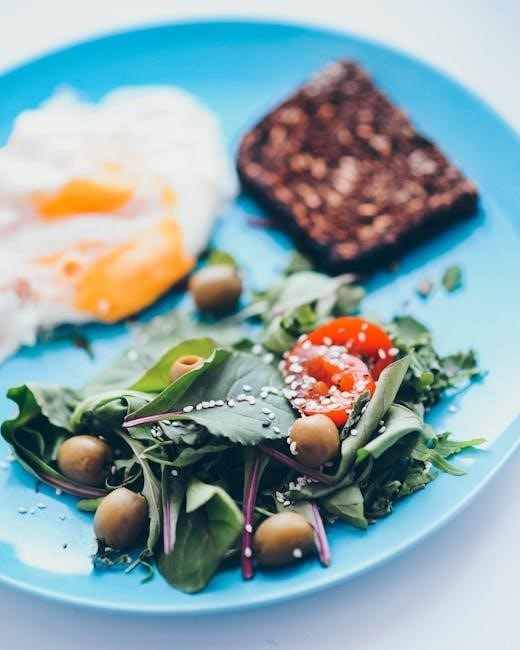
These whole food options provide greater satiety, essential nutrients, and typically require fewer points compared to their processed counterparts․ Prioritizing lean proteins like grilled chicken, alongside generous portions of non-starchy vegetables such as asparagus and broccoli, further supports a balanced and fulfilling diet․ Remember, building meals around these foundational elements will naturally align with the program’s goals and promote long-term health․
Utilizing Activity Points
Weight Watchers cleverly integrates physical activity into the program through Activity Points․ Earning these points allows for increased flexibility within your daily or weekly allowances․ Aiming for 2-3 Activity Points daily, as demonstrated by one user’s approach, can provide a buffer for occasional indulgences or higher-point meals when dining out․
These earned points can be strategically used to “rollover” into your weekly allowance, creating a larger reserve for special occasions or simply providing peace of mind․ Remember, activity isn’t limited to intense workouts; even a brisk walk contributes! Effectively utilizing Activity Points empowers you to enjoy a more balanced lifestyle without sacrificing progress towards your weight loss goals, fostering a sustainable and enjoyable journey․
Rollover Points & Weekly Allowances

Weight Watchers provides a valuable safety net through Weekly Allowances and Rollover Points․ These unspent daily points accumulate, offering flexibility for planned treats or unexpected events․ One user aims to maintain 4 Rollover Points, demonstrating a proactive approach to managing their allowance․
This system acknowledges that life isn’t always perfectly predictable․ Having a reserve of points reduces feelings of deprivation and prevents derailment from occasional higher-point days․ Strategically utilizing Weekly Allowances, alongside earned Activity Points, allows for a more sustainable and enjoyable experience․ It’s about building a lifestyle, not just following a restrictive diet, and these features support that philosophy beautifully․
Hydration and its Importance
Often overlooked, adequate hydration is a cornerstone of successful weight management on the Weight Watchers plan․ Drinking plenty of water supports metabolic function, aids in digestion, and can even help curb appetite, leading to reduced overall calorie intake․ While not explicitly detailed in the provided examples, consistently prioritizing water intake complements the points-based system effectively․
Staying hydrated can also enhance energy levels, improving the ability to engage in physical activity and earn Activity Points․ It’s a zero-point habit that contributes significantly to overall well-being․ Remember, thirst can sometimes be mistaken for hunger, so reaching for water before a snack might prevent unnecessary point consumption․ It’s a simple, yet powerful, strategy․
Finding Support & Community
Embarking on a weight loss journey is often more successful with a strong support system․ While the provided examples focus on individual food choices and point tracking, the power of community shouldn’t be underestimated․ Connecting with others following the Weight Watchers plan—whether through official workshops, online forums, or local groups—provides encouragement, accountability, and shared experiences․
Sharing recipes, challenges, and successes can foster motivation and prevent feelings of isolation; Learning from others’ strategies, like adapting recipes with lighter alternatives (as seen in the homemade Alfredo sauce example), can broaden your own approach․ The journey “gets easier as time goes on,” as one user noted, and a supportive community can significantly accelerate that process․