
Fender Champion 100 Manual: An Overview
Fender Champion 100 manuals, service diagrams, and schematics are available online, alongside user guides and parts lists for related amplifiers like the Super Champ-XD.
The Fender Champion 100 is a versatile, 100-watt guitar amplifier designed for practice, recording, and live performance. Online resources, including manuals and schematics, detail its features. It boasts two channels and an effects loop, catering to diverse tonal needs. Finding a service manual can aid repairs, while parts lists assist with component replacement. The amplifier’s popularity is reflected in the availability of online forums and support communities dedicated to its use and maintenance, ensuring users have ample resources.
Key Features and Specifications
The Fender Champion 100 delivers 100 watts of power through two 12-inch speakers. Key features include its dual-channel design and integrated effects loop. Online documentation, like the owner’s manual, details specifications such as voltage requirements (100V/120V). Component identification guides, found within schematics, assist with servicing. Replacement parts are available, and compatible accessories, like pedals and cables, enhance its functionality, making it a comprehensive amplification solution.
Understanding the Control Panel
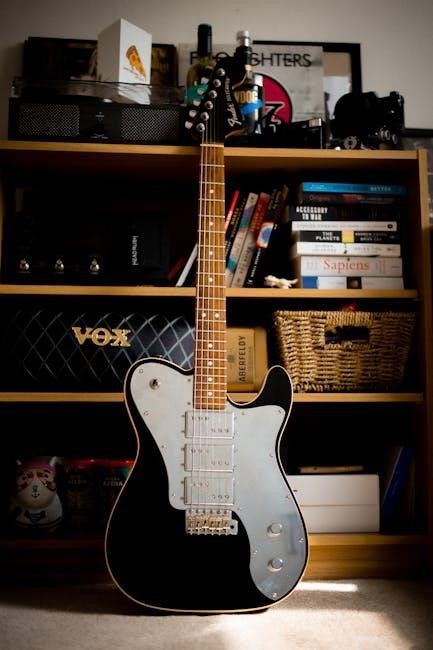
The Champion 100’s control panel features channel selection, gain controls, and a comprehensive EQ section for bass, middle, and treble adjustments, as detailed in manuals.
Channel Selection and Gain Controls
The Fender Champion 100 boasts multiple channels, allowing players to switch between distinct tonal characteristics – from pristine cleans to high-gain distortion. Manuals detail how to navigate these channels effectively. Gain controls are crucial for shaping the input signal, dictating the amount of drive and saturation applied to your sound. Adjusting gain impacts the amplifier’s responsiveness and overall intensity. Careful manipulation of these controls, as outlined in the documentation, unlocks a wide spectrum of sonic possibilities, catering to diverse musical styles and preferences.
EQ Section: Bass, Middle, and Treble
The Fender Champion 100’s EQ section, comprised of Bass, Middle, and Treble controls, is fundamental for sculpting your tone. Manuals explain how each frequency band impacts the overall sound. Bass controls the low-end frequencies, adding warmth and fullness. Middle controls the tonal core, influencing clarity and presence. Treble shapes the high-end frequencies, adding brightness and articulation. Mastering these controls, as detailed in the documentation, allows for precise tonal shaping, ensuring your guitar cuts through the mix effectively.
Master Volume and Output Options
The Fender Champion 100 manual details the Master Volume control, which adjusts the overall amplifier output level. Output options include a headphone jack for silent practice and line output for recording or connecting to a mixing console. These features provide versatility for various playing scenarios. Understanding these controls, as outlined in the documentation, ensures optimal volume levels and connectivity for both personal enjoyment and professional applications, maximizing the amplifier’s utility.
Amplifier Sections & Technologies
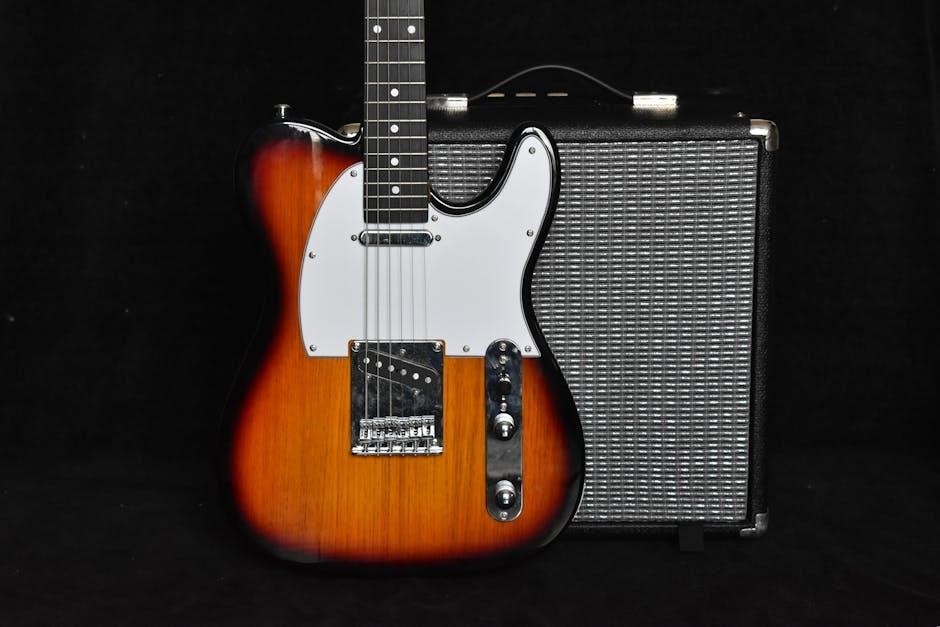
The Champion 100 utilizes Valve Voicing technology, emulating classic tube amp sounds, and features a 100-watt power amplifier stage for robust performance.
Valve Voicing Technology Explained
Fender’s Valve Voicing technology is a sophisticated digital recreation of the sound and feel of classic vacuum tube amplifiers. It doesn’t utilize actual tubes in the signal path, but instead, employs digital algorithms to accurately model the harmonic content, compression, and dynamic response of various tube types.
This allows the Champion 100 to deliver a wide range of amp tones – from pristine cleans to searing distortion – without the weight, maintenance, or expense associated with traditional tube amps. It provides authentic tube-like character and responsiveness, enhancing the playing experience.
Built-in Effects: Types and Parameters
The Champion 100 boasts a diverse suite of built-in effects, including modulation (chorus, flanger, tremolo), delay, reverb, and amp models. Each effect features adjustable parameters, allowing for extensive tonal shaping. Users can modify depth, rate, time, level, and other settings to customize the effects to their preferences.
These effects can be used independently or combined to create complex soundscapes. The amplifier also includes a noise reduction feature to minimize unwanted hiss and hum, ensuring a clean and polished output signal.
Power Amplifier Stage Details (100 Watts)
The Champion 100 delivers 100 watts of power, providing ample headroom for various playing situations, from practice to performance. This solid-state power amplifier stage is designed for reliability and consistent performance. It drives a variety of speaker configurations, commonly 2×12″ cabinets, offering a full and dynamic sound.
The amplifier’s power section is engineered to maintain clarity even at high volumes, minimizing distortion and ensuring a pristine signal path. It’s built for robust operation and longevity.

Troubleshooting Common Issues
Common problems with the Champion 100 include no sound, distorted output, or malfunctioning effects; qualified service personnel should handle repairs.
No Sound Troubleshooting
If the Champion 100 produces no sound, begin by verifying the guitar cable connection and ensuring the amplifier is powered on correctly. Check the input volume and master volume controls, confirming they aren’t set to minimum. Examine the channel selection switch, ensuring it’s engaged on an active channel.
Inspect the speaker connections and, if applicable, headphones. If issues persist, consulting a qualified service technician is recommended for internal component assessment and repair.
Distorted or Noisy Output
Champion 100 distortion or noise can stem from excessive gain settings; reduce the gain control on the selected channel. Verify the guitar cable isn’t damaged or causing interference. Experiment with different input jacks. Ensure proper grounding to eliminate hum. If the problem continues, internal components might require inspection.
Contacting an authorized service center for professional diagnosis and repair is advisable, especially for complex electronic issues within the amplifier.
Effect Controls Not Functioning
If Champion 100 effect controls aren’t responding, first confirm the effect is activated within the selected preset or channel. Check the footswitch connections if using one for effect control. Ensure the effect loop is correctly configured if utilized. A factory reset might resolve software glitches affecting effect functionality.
If issues persist, professional servicing may be needed to diagnose potential component failures impacting the effects section.
Maintenance and Care
Regular cleaning and proper storage are crucial for longevity. Qualified personnel should handle any tube replacements or complex Champion 100 repairs and servicing.
Cleaning and Storage
To maintain your Fender Champion 100, regularly wipe down the exterior with a soft, dry cloth to remove dust and grime. Avoid using harsh chemicals or abrasive cleaners, as these can damage the finish. For stubborn marks, a slightly damp cloth may be used, followed by immediate drying.
When storing the amplifier, always use a protective cover to shield it from dust, moisture, and physical damage. Store it in a cool, dry environment, away from direct sunlight and extreme temperatures. Proper storage ensures the amplifier remains in optimal condition for years to come.
Tube Replacement (If Applicable)
The Fender Champion 100 utilizes solid-state technology and does not contain traditional vacuum tubes requiring periodic replacement. However, internal components may necessitate servicing by qualified personnel. Attempting self-repair without proper knowledge can void the warranty and potentially cause damage.
For any internal repairs or component replacements, contact an authorized Fender service center. They possess the expertise and tools to safely and effectively address any issues, ensuring your amplifier continues to deliver exceptional performance.

Schematics and Service Information
Champion 100 schematics and service diagrams are available for download, though finding them may require searching online forums and dedicated Fender resource sites.
Locating the Champion 100 Schematic
Finding a Champion 100 schematic can sometimes prove challenging, as Fender doesn’t always readily publish them. Online searches, particularly within guitar amplifier repair forums, often yield results. Several websites archive service manuals and schematics, including those for Fender products. Look for PDF documents labeled “schematic” or “service diagram” specifically mentioning the Champion 100. Be aware that some files may require registration or a small fee for access. Checking dedicated Fender enthusiast communities is also highly recommended, as members frequently share resources.
Understanding the Service Diagram
The Champion 100 service diagram details the amplifier’s circuitry, crucial for repairs. It illustrates component connections, voltage points, and signal flow. Familiarity with electronics and schematic reading is essential. Key sections include the power supply, preamp, effects loop, and power amp stages. Component values (resistors, capacitors) and part numbers are indicated. Tracing signals helps pinpoint faults. Understanding ground points and safety precautions is vital before attempting any service work; always disconnect power first!
Component Identification Guide
The Champion 100 utilizes standard electronic components. Resistors are color-coded for value identification. Capacitors are labeled with capacitance and voltage ratings. Diodes have band markings indicating polarity. Integrated circuits (ICs) are identified by part numbers. Transistors are categorized as NPN or PNP. The schematic diagram provides component designators (R1, C2, etc.) for locating parts on the PCB. Proper identification is crucial for accurate repairs and replacements, ensuring correct functionality.
Repair Information
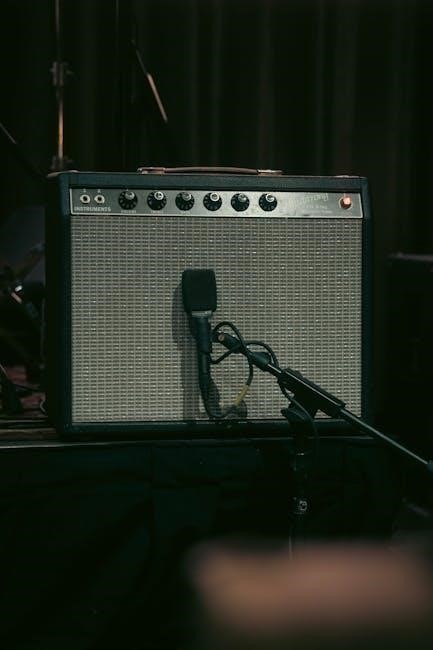
Authorized Fender service centers can handle Champion 100 repairs. Common issues, like switch failures, are relatively simple to fix with readily available replacement parts.
Finding Authorized Service Centers
Fender Musical Instruments Corporation (FMIC) provides resources for locating authorized service centers geographically closest to the user. Contacting FMIC directly is recommended to obtain the most current list and ensure qualified technicians handle your Champion 100. These centers possess expertise in Fender amplifiers and access to genuine parts. Utilizing an authorized center guarantees repairs adhere to Fender’s standards, preserving the amplifier’s warranty and optimal performance. Online forums may also offer recommendations, but verifying authorization is crucial for reliable service.
Common Repair Procedures
Typical Champion 100 repairs often involve switch replacement, as noted in online discussions, requiring sourcing compatible components. Troubleshooting frequently centers on addressing distorted or noisy outputs, potentially stemming from component failure within the amplifier’s circuitry. Accessing schematics is vital for diagnosing issues and guiding repair efforts. Due to the amplifier’s complexity, professional servicing is generally advised, especially for intricate repairs or when dealing with the power amplifier stage, ensuring safety and proper functionality.
Parts and Accessories
Replacement parts for the Champion 100 are available, and compatible accessories like pedals and cables can enhance its functionality and sonic versatility.
Replacement Parts Availability
Finding replacement parts for the Fender Champion 100 can sometimes require diligent searching, as availability fluctuates. Online retailers specializing in guitar amplifier components often stock common items like potentiometers, switches, and capacitors. However, sourcing specific parts, particularly those unique to the Champion 100’s circuitry, might necessitate contacting Fender directly or authorized service centers. Schematics, when available, greatly aid in identifying the correct component numbers for accurate replacements, ensuring proper functionality and maintaining the amplifier’s original specifications.
Compatible Accessories (Pedals, Cables)
The Fender Champion 100’s versatility extends with compatible accessories. Standard instrument cables are essential for connecting guitars, while expression pedals can enhance control over effects parameters. Given its effects loop, utilizing external pedals—overdrive, distortion, modulation—is highly encouraged to expand sonic possibilities. High-quality power cables ensure stable operation. Remember to check impedance matching for optimal performance when integrating external effects units with this robust amplifier.
Safety Precautions
Ensure proper voltage and grounding for safe operation. Qualified personnel should handle servicing to avoid electrical hazards, as outlined in the manual’s guidelines.
Voltage and Grounding
Always verify the Champion 100 is connected to a properly grounded electrical outlet matching the voltage specified on the amplifier’s rear panel. Incorrect voltage can cause damage and void the warranty. Never defeat the ground pin; it’s crucial for safety. Regularly inspect the power cord for damage, and replace it immediately if frayed or compromised. Improper grounding increases the risk of electric shock and interference. Ensure the outlet is functioning correctly before plugging in the amplifier, and avoid using extension cords if possible.
Operational Safety Guidelines
To ensure safe operation of your Champion 100, avoid exposing it to excessive moisture or extreme temperatures. Do not operate the amplifier near flammable materials. Always allow adequate ventilation to prevent overheating. Never attempt to disassemble or modify the amplifier yourself; servicing should be performed by qualified personnel. Disconnect the power cord before cleaning or making any connections. Be mindful of volume levels to prevent hearing damage, and use appropriate ear protection when necessary.

Manual Resources
Official Fender manuals and online forums offer valuable support for the Champion 100, alongside downloadable schematics and service information from various sources.
Official Fender Manual Download
Locating the official Fender Champion 100 manual directly from Fender’s website is the best starting point for comprehensive information. Online resources, like ManualsOnline, archive versions, identified as “manualsonline-id-ebe14718-…”. These resources provide detailed instructions on operation, safety precautions, and troubleshooting. However, availability can vary, so checking Fender’s support section is crucial. Additionally, exploring online communities and forums often yields links to downloadable manuals shared by fellow users, supplementing official documentation.
Online Forums and Support Communities
Numerous online forums and support communities dedicated to guitar amplifiers, particularly Fender products, offer valuable assistance with the Champion 100. Users frequently share experiences, troubleshooting tips, and even schematics when official documentation is scarce. These platforms are excellent resources for finding solutions to common issues, locating authorized service centers, and discussing repair procedures. Active communities can provide insights beyond the manual, fostering collaborative problem-solving and shared knowledge.
Technical Specifications Summary
The Champion 100 is a 100-watt, 2×12 amplifier featuring two channels and an effects loop, as detailed in available documentation and resources.
Dimensions and Weight
Specific dimensional and weight details for the Fender Champion 100 aren’t explicitly stated in the readily available snippets, however, understanding its 100-watt power and 2×12 configuration suggests a substantial build. Users seeking precise measurements should consult the official Fender manual download or explore online forums. These resources often contain user-submitted data and detailed specifications, including height, width, depth, and overall weight for transportation and setup considerations. Accurate dimensions are crucial for ensuring proper placement within a music setup.
Input/Output Connections
The Fender Champion 100 features standard input connections for guitars, alongside essential output options for connecting to external devices; Expect a ¼” instrument input and outputs for headphones, recording, and potentially an effects loop for integrating pedals. Details regarding specific impedance and connector types are best found within the official Fender manual. Understanding these connections is vital for optimal signal flow and achieving desired tonal configurations during practice or performance scenarios.